Digital Nomad Argentina: A Guide To Remote Work In The Southern Cone
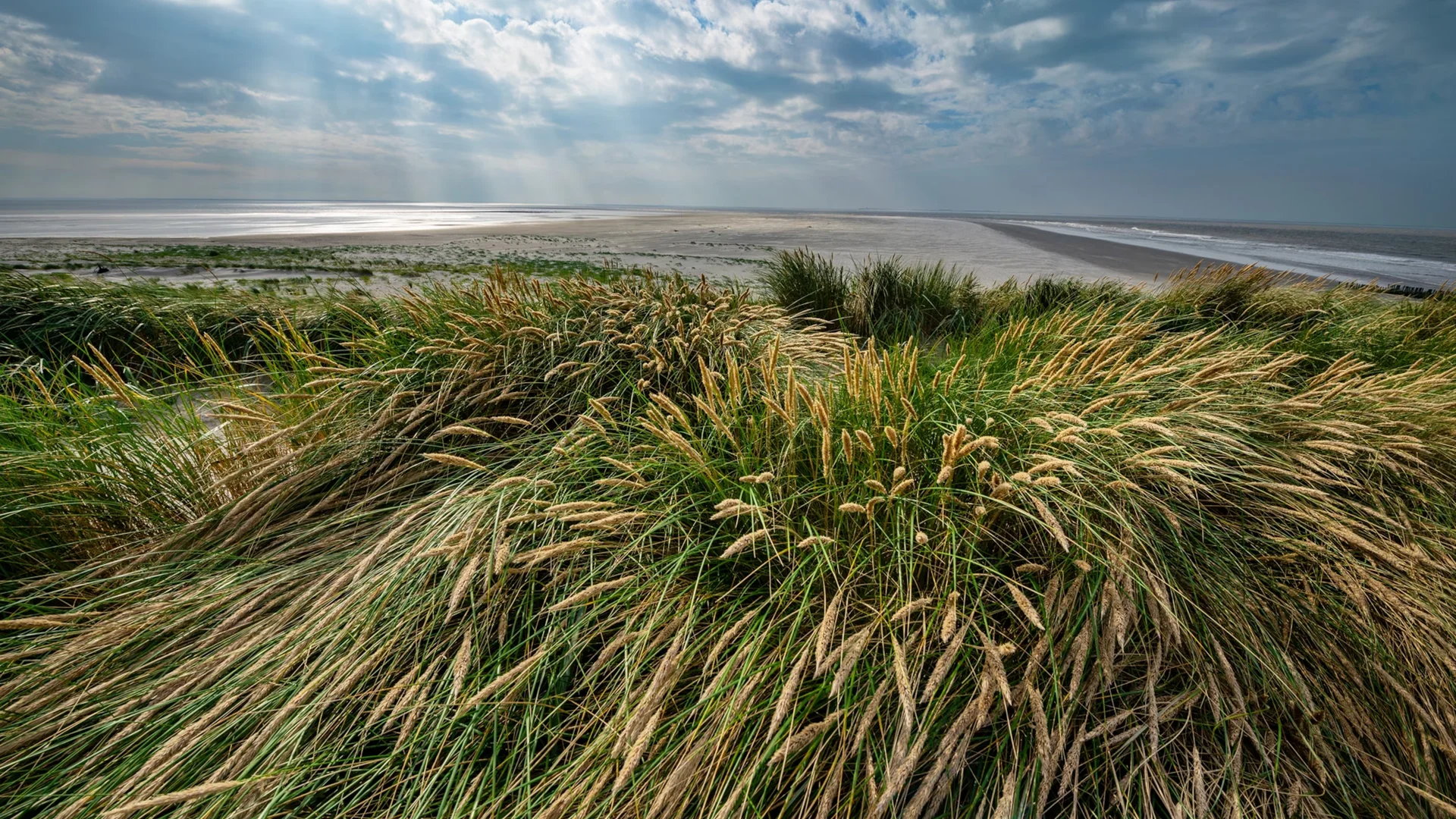
Argentina draws remote workers for reasons that go far beyond a good steak or a glass of Malbec. It offers a high quality of life at a fraction of the cost found in North America or Western Europe. You can start your day with specialty coffee in a Parisian-style neighborhood in Buenos Aires and end your week trekking glaciers in Patagonia.
But moving here isn't as simple as booking a flight.
The economy is volatile, the currency system is unique, and internet quality varies wildly. For a digital nomad Argentina represents a specific trade-off: incredible lifestyle opportunities versus significant logistical hurdles. Success here requires understanding how to navigate multiple exchange rates, finding apartments with verified fiber optic connections, and adapting to a culture that operates on a very different clock.
This guide strips away the travel brochure gloss to focus on the practical realities of setting up a remote base in the Southern Cone.
Why Remote Workers Choose The Southern Cone
Most professionals land here because the math works. While inflation dominates local headlines, foreign currency retains immense purchasing power. You can access high-end housing, frequent dining, and domestic travel for a budget that would barely cover rent in London or New York.
Geography plays a massive role too. A digital nomad Argentina experience changes drastically based on your location. Buenos Aires provides that massive, cosmopolitan energy similar to Madrid. Conversely, cities like Bariloche or Mendoza offer immediate access to skiing, hiking, and world-class vineyards just minutes from your laptop.
Then there is the time zone factor. Argentina Time (ART) is usually three hours behind Greenwich Mean Time (GMT-3). For workers with clients in the US, this means you are only one or two hours ahead of Eastern Standard Time. For those working with Europe, you are four to five hours behind. This overlap makes synchronous communication easy. You won't need to work overnight shifts to attend Zoom meetings.
Internet Infrastructure And Connectivity Realities
Connectivity is the first thing you must verify. In major hubs like Buenos Aires, Cordoba, and Rosario, the situation is generally good. Fiber optic (fibra óptica) is standard in renovated buildings, often delivering speeds between 100 Mbps and 300 Mbps.
But don't take a listing's word for it.
Infrastructure consistency varies by neighborhood and even by street. One building might have gigabit speed while the one next door relies on copper wiring. Always ask for a speed test screenshot before booking a month-long stay.
Once you leave the cities, things get tricky. In remote areas like El Chaltén or small northern towns, connectivity drops. Satellite internet is slowly filling these gaps, but these regions are better for digital detoxes than heavy video conferencing.
Mobile data is your safety net. Local providers like Personal, Movistar, and Claro offer solid 4G coverage in populated zones. If you have a modern phone, set up an eSIM before you land to have data immediately. Anyone pursuing a digital nomad Argentina lifestyle should keep a mobile hotspot ready. Power outages happen, especially during summer heatwaves, and your mobile data will be your only link to the outside world.
Mastering The Exchange Rate Maze
Financial management here is unlike anywhere else. You cannot simply rely on swiping your debit card without a strategy.
Argentina operates with multiple exchange rates. The "official" rate is what banks use by default. Then there is the "blue dollar" (dólar blue), an informal market rate that has historically offered significantly more pesos for your foreign currency.
Recent economic measures have narrowed the gap, but the distinction still matters. Foreign credit cards now often receive a preferential rate (similar to the MEP rate) that is close to the blue rate. This makes using cards much more viable than in previous years.
However, cash is still king.
Many smaller vendors, taxi drivers, and neighborhood restaurants do not accept foreign cards. To get the best value, most remote workers use money transfer services like Western Union. You send money to yourself via the app and pick up cash in pesos at a local branch. This usually yields a rate close to the parallel market value. Managing this cash flow safely is a core skill for any digital nomad Argentina resident.
The Remote Work Visa Pathway

Operating in a legal gray area used to be the norm, but that changed in May 2022. The government introduced a specific visa category tailored to location-independent professionals. This visa targets foreign nationals who provide services to companies or clients outside the country.
It grants an initial stay of 180 days, renewable once.
To qualify, you must prove you are a remote worker and demonstrate sufficient income to support yourself without taking local jobs. This pathway solves several headaches. It legitimizes your stay and simplifies administrative tasks like renting apartments or signing up for services that require residency identification.
Many visitors still rely on the standard 90-day tourist visa. However, applying for the specific digital nomad Argentina visa provides legal certainty. It eliminates the need for "border runs" to Uruguay or Chile just to refresh a tourist stamp. The application is digital and requires standard documentation: a valid passport, proof of income, and a clean criminal record.
Finding Apartments And Workspaces
Housing requires diligence. Short-term rental platforms are popular, but prices in expat-heavy neighborhoods like Palermo, Recoleta, and Belgrano are often pegged to the US dollar.
Coworking spaces have exploded in popularity. They offer more than just a desk; they provide ergonomic furniture, backup generators (crucial during outages), and a community. If you prefer a more casual vibe, the coffee culture is exceptional. A wave of specialty coffee shops has taken over Buenos Aires, offering fast wifi and environments designed for laptop users.
If you are planning a longer digital nomad Argentina stint, look for "alquiler temporario" (temporary rental) agencies. These local real estate agents deal specifically with furnished monthly rentals. Their contracts usually include all utilities and internet, often at better rates than global booking sites.
Adapting To Local Rhythms And Safety
You will need to adjust your internal clock. Argentina runs late.
Restaurants often don't open for dinner until 8:00 PM. Locals typically sit down to eat between 9:00 PM and 11:00 PM. This shift actually benefits remote workers. You can finish a standard US or European workday and still have hours of free time before the city's social life even begins.
Socializing is a priority here. Locals are welcoming, but language matters. While many professionals speak English, daily life-buying groceries, taking a bus, talking to a doorman-happens in Spanish. Learning a bit of "Rioplatense" Spanish (known for its Italian flair and use of "vos") goes a long way.
Safety requires street smarts. Large cities here have the same issues as big cities elsewhere. Petty crime, like phone snatching, is common. Keep your phone in your pocket when walking on the street. Use ride-sharing apps like Uber or Cabify instead of hailing taxis late at night. By staying vigilant and respecting local customs, the digital nomad Argentina experience can be productive and culturally rich.
Frequently Asked Questions
Do I need a specific visa to work remotely in Argentina?
Many people enter on a tourist visa, but the Digital Nomad Visa is the proper legal route. It allows for a 180-day stay, renewable once, and is designed for those employed by foreign companies.
How reliable is the internet for video calls in Buenos Aires?
It is generally good, but inconsistent. Many areas have fiber optic speeds perfect for Zoom. Always ask your landlord for a speed test screenshot before you commit to a rental.
Can I use my credit card for daily purchases?
Yes. Foreign credit cards are widely accepted and now receive a preferential exchange rate that is close to the market rate. Keep cash for small shops and taxis.
What is the best way to get cash in Argentina?
Western Union is the go-to method. It usually provides an exchange rate close to the "blue dollar" value. ATM withdrawals often have low limits and high fees.
Is English widely spoken outside of Buenos Aires?
Proficiency is moderate in tourist hubs and among young professionals. In rural areas and smaller provinces, English is rare. Basic Spanish is essential for daily logistics.